

Image


BOOK NOW
Kyoto is one of Japan's must-visit destinations. Home to centuries-old temples and gardens, the city preserves a sense of tradition that feels very much alive. But what travellers can see and do here changes with the seasons.
In this guide, we'll discuss the best time of year to go to Kyoto and what each season offers.

Like the rest of Japan, Kyoto experiences four seasons due to the country’s temperate climate. Throughout the year, the weather and scenery shift, shaping how the city feels from month to month.
These seasonal shifts also determine when the city is busiest. Spring and autumn often draw the largest crowds, while winter and summer offer a quieter experience. Planning your visit around a specific season can help you match your trip to the atmosphere you prefer. It can also guide you toward things to do in Kyoto that interest you most.
Spring is one of the most popular times to visit Kyoto. Average temperatures rise from around 14°C high and 5°C low in March to about 25°C high and 13°C low in May. Mild days and cool evenings make it comfortable to explore the city on foot.
This season is best known for cherry blossoms, which usually bloom in late March and reach full bloom in early April. It’s also when Kyoto sees its highest visitor numbers, so booking accommodation and popular tours early is essential.
Despite the crowds, spring offers some of the city’s most striking scenery, with temples, canals and gardens framed by pink blossoms.
Summer in Kyoto is hot, humid and full of energy. Average temperatures climb from around 26°C in June to 32°C in July and August, with warm nights that rarely dip below 22°C. During this time, the city’s gardens and hillsides are at their greenest. Temples also take on a lush, vibrant atmosphere.
Early summer brings the rainy season, known as tsuyu, which runs from mid‑June to early July. Showers are frequent but usually short, and by mid‑July the skies clear as Kyoto’s biggest festival season begins. July is dominated by Gion Matsuri, a month‑long celebration with elaborate floats and lively evening street parties. For this reason, July is one of Kyoto's busiest months.
August continues the festive mood with Gozan no Okuribi, when giant bonfires blaze across the city’s surrounding hillsides to mark the close of Obon, a multi-day Japanese festival dedicated to remembering and honouring the dead. Tourist numbers taper off slightly around mid‑August, making late summer a little quieter for those willing to handle the heat and humidity.
Kyoto’s autumn unfolds over a graceful transition from warm September to crisp November. Average daytime temperatures begin around 24°C in September and cool to 17°C by November, with morning and evening lows dipping to 7°C–12°C in late autumn.
This season is best known for its foliage, known as kōyō, which transforms parks and temple forests into fiery reds, oranges and golds. Leaf colour typically peaks from mid‑November to early December.
Though the scenery is spectacular, autumn draws large crowds due to several major festivals. In late October, the Jidai Matsuri (Festival of the Ages) takes place on the 22nd at Heian-jingu Shrine. It features a colourful historical parade that starts from the Kyoto Imperial Palace. Around the same date, the dramatic Kurama Fire Festival ignites the village streets north of Kyoto, with torch-bearing dancers and fiery processions at dusk.
Kyoto during winter is quiet, serene and at times dusted with snow. Average daytime temperatures hover around 8°C in December and drop to 5°C in January, with nighttime lows near 0°C. Though snowfall isn’t constant in the city centre, light flurries often blanket temple rooftops and gardens in January and February, creating some of Kyoto’s most tranquil scenes.
Winter is the city’s low season, making it ideal for travellers who prefer fewer crowds and a slower pace. The crisp air and softer light give familiar landmarks a different mood, while traditional wooden houses and steaming food stalls stand out against the chill.
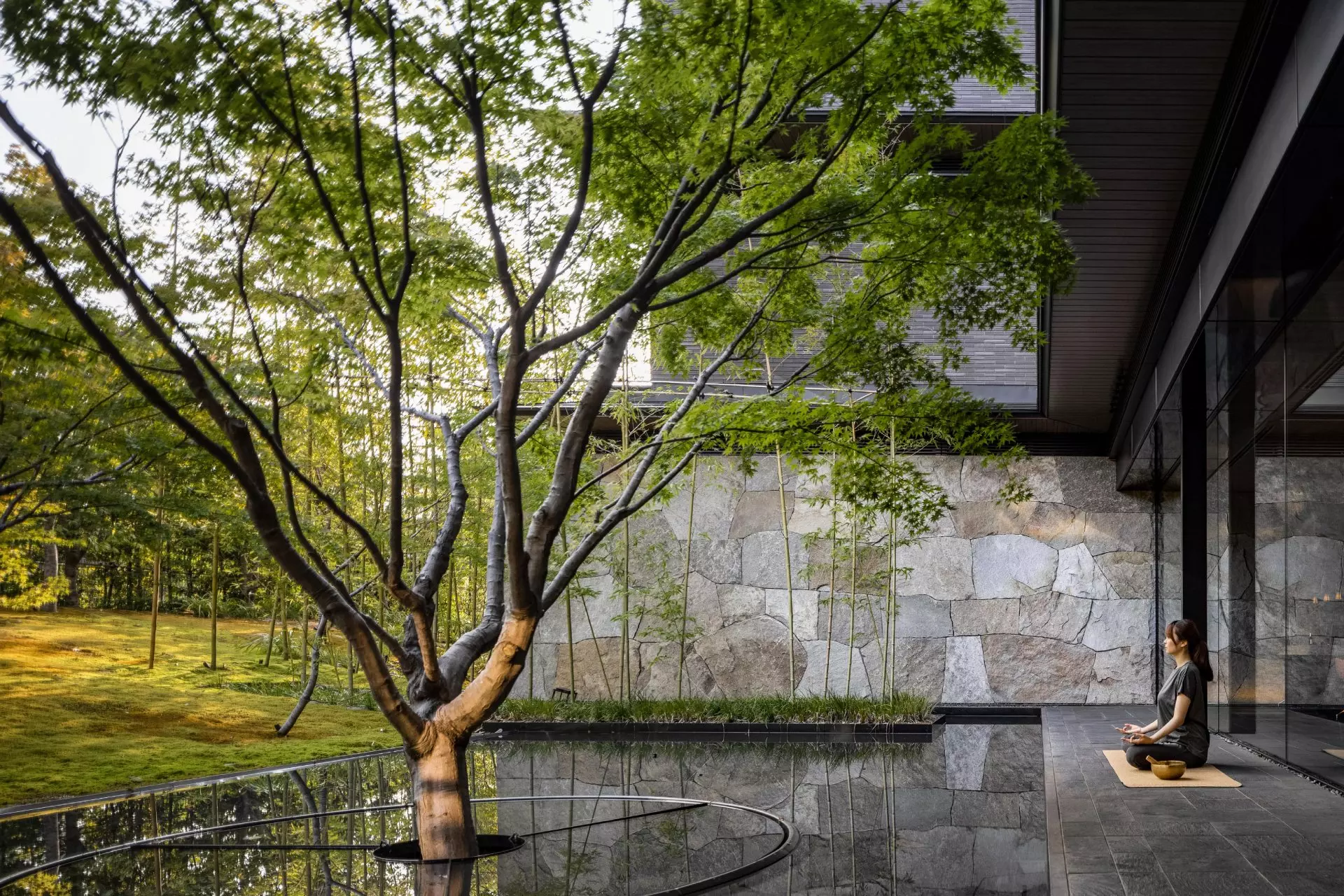
Experience Kyoto in every season at Garrya Nijo Castle Kyoto. Ideally located near the city centre, our boutique hotel puts you within easy reach of scenic attractions year-round.
Indulge in a wellbeing culinary experience at our hotel restaurant after a day of discovery. Then, unwind in a Kyoto king room with luxury amenities and tranquil garden or Nijo Castle views.
Book directly with us and secure the best available rate for your next Kyoto getaway.


