

Image


BOOK NOW
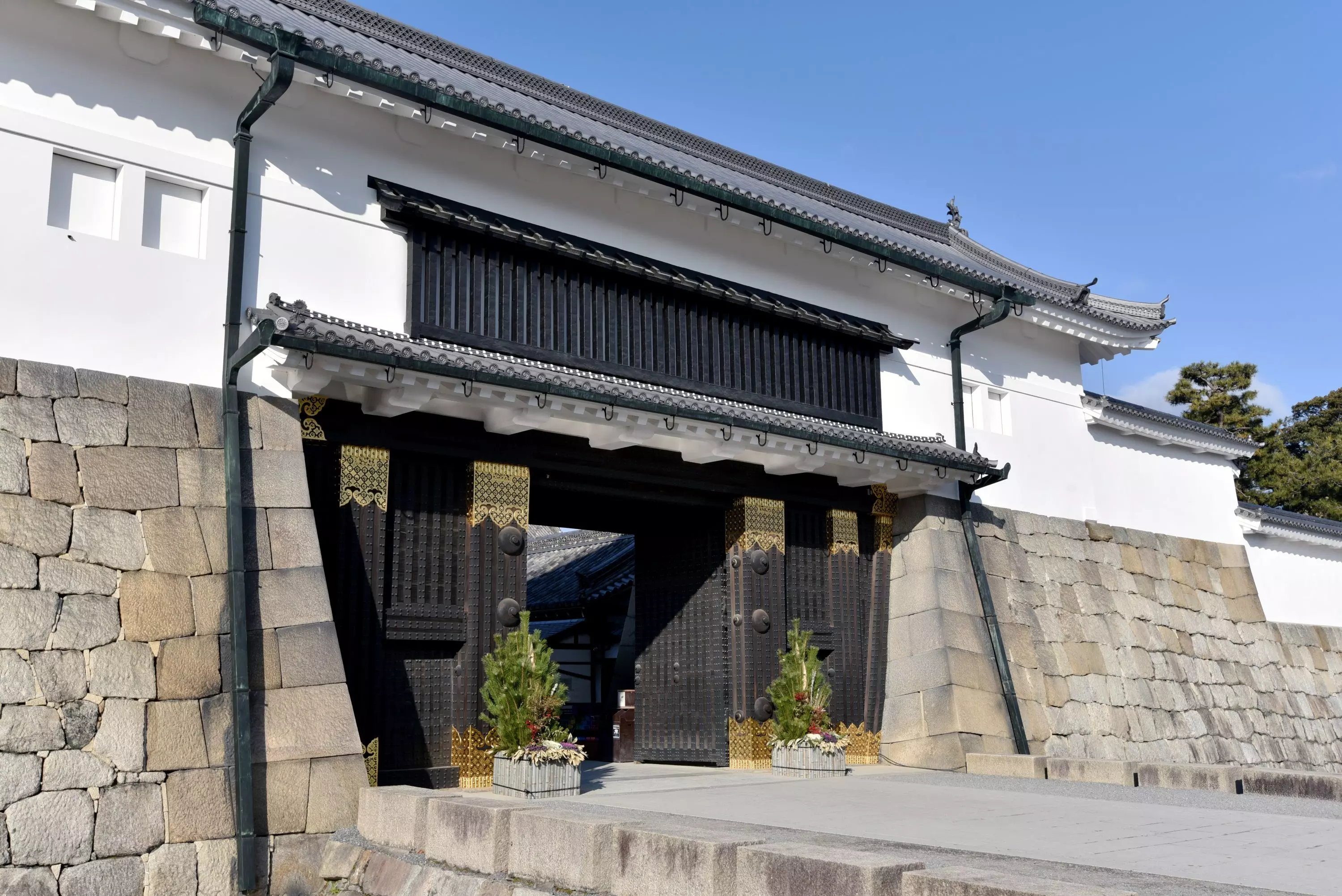
The castle’s origins trace back to 1603, when it was commissioned by the first Tokugawa shogun, Ieyasu. He sought a residence in Kyoto that would reflect his authority while allowing him to oversee relations with the Emperor. More than a home, the castle was a statement of political power, built to remind people of the strength of the shogunate.
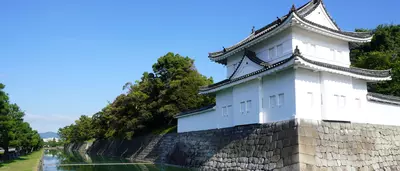
Early construction blended defence with artistry. Wide moats, imposing stone walls, and fortified gates conveyed security, while elegant palaces and landscaped gardens demonstrated refinement. The design followed the principles of shoin-zukuri, a style that shaped Japanese residential architecture with its use of tatami rooms, sliding door,s and ornamental alcoves. Over time, the site expanded into what is now Nijo Palace in Kyoto, a complex that combines strength and beauty in equal measure.
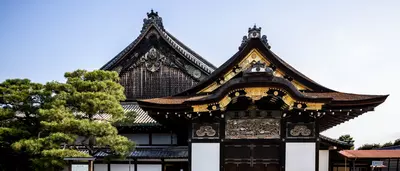
During the Edo period, Nijo Castle functioned as the official base for the shogun whenever he visited Kyoto to meet with the Emperor. In this role, the castle served as a center for diplomacy, ceremony, and governance.
The castle complex was carefully designed to reflect rank and hierarchy. Guests passed through a series of reception rooms, each one more ornate than the last, as part of a deliberate display of power. Within these chambers, the shogun held audiences, hosted banquets,s and conducted political negotiations. Every detail, from painted screens to the placement of tatami mats, carried meaning. Together, these elements reinforced the authority and control of the shogunate.
In its time, the shogun palace served as both a seat of military power and a stage for political theatre. It stood as a physical reminder of the shogunate’s dominance in Kyoto, a place where appearances, ritual, and architecture aligned to sustain the order of the era.
The design of Nijo Castle holds secrets that reveal both its defensive purpose and its refined artistry. Every feature was intentional, built to protect the shogun while impressing his guests.
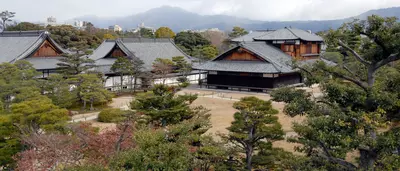
The Honmaru is the castle’s main circle of defence. It once held a grand keep and secondary palace, both of which were destroyed by fire in the 18th century. Later, an imperial residence was relocated here, forming today’s Honmaru Palace. Its interior, long closed to the public, reopened in 2024. Visitors can walk the surrounding gardens and climb the stone foundations of the former keep for wide views over the grounds.
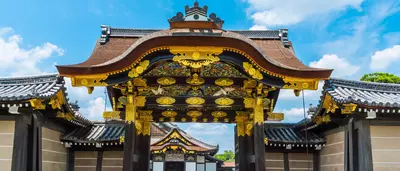
At the centre of Nijo Castle lies Ninomaru-goten Palace, the secondary circle of defense. Its corridors are lined with the famous nightingale floors, designed to chirp with every step so intruders could never move unnoticed. The palace also concealed bodyguards in hidden rooms, ready to protect the shogun during audiences.
The audience halls themselves reflected strict social order. Lower-ranked visitors were admitted only to adjoining rooms, while the highest officials alone were permitted into the main chamber where the shogun sat elevated, flanked by guards behind screens. The interiors were decorated with tatami mats, painted sliding doors known as fusuma, and ceilings touched with gold leaf.
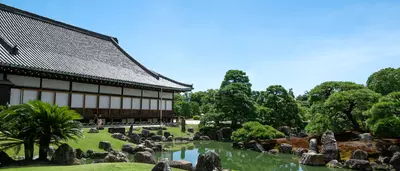
Both Honmaru and Ninomaru are enclosed by thick stone walls, wide moats, and tree-lined paths. These layers of defense speak to the strategic mind of the shogunate, while the gardens soften the space with seasonal beauty. With their lush greenery and open spaces, the castle grounds are among the best parks for walks in Kyoto, especially in spring and autumn.
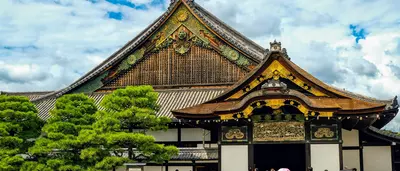
Nijo Castle played a central role in 1867, when Tokugawa Yoshinobu, the last shogun, formally returned political power to the Emperor within its walls. This act ended more than two centuries of shogunate rule and marked the beginning of the Meiji Restoration. The castle was later repurposed as an imperial palace before opening to the public in modern times.
Ongoing preservation efforts have since safeguarded its buildings and gardens, allowing visitors to walk the same grounds where Japan’s history turned a new chapter.
After a day of discovering Nijo Castle’s history, retreat to Garrya Nijo Castle Kyoto. This exclusive luxury hotel near Nijo Castle is centrally located for exploring other iconic attractions such as Takenobu Inari Shrine and Shinsenen Garden.
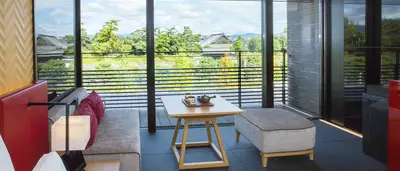
Wake up to serene views of Nijo Castle from our Nijo Castle View King Room or Nijo Castle View Twin Room, thoughtfully designed to invite you to pause, breathe, and reconnect with your inner self. Indulge in a wellbeing culinary experience at our hotel restaurant and explore the best things to do around Nijo Castle, from learning to make matcha to practising guided meditation with a Zen master. At our Kyoto boutique hotel, every stay is an invitation to be present and connect with the world around you.
Find beauty in simplicity at Garrya Nijo Castle Kyoto. Book your stay today.


